

BetExplorer AFCON Predictions Today: Expert Insights
⚽ Get accurate AFCON match tips with BetExplorer! Understand odds, key players, and current form for smarter bets. Perfect for Nigerian fans and bettors 🎯
Edited By
Michael Harrington
Predicting outcomes in the English Premier League (EPL) is no small feat, given the league’s competitive balance and unpredictable moments. For young professionals, sports analysts, and bettors keen on making sound calls this season, understanding key factors behind team performances can be a decisive advantage.
Firstly, team form is a strong indicator. Recent match results, especially home and away form, help reveal momentum shifts. For instance, if a mid-table side like Crystal Palace wins three games consecutively against top-tier clubs, it signals a tactical or motivational change worth noting.
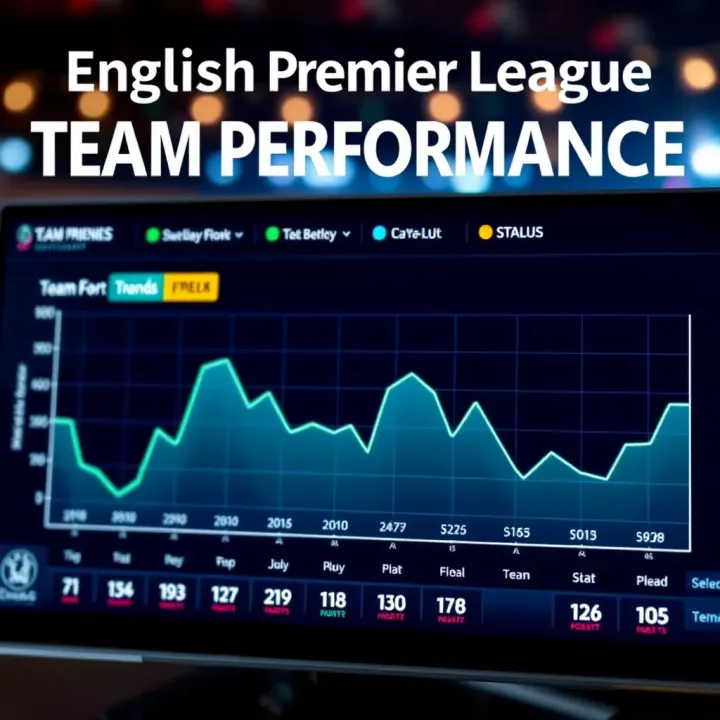
Secondly, individual player contributions cannot be ignored. Look beyond star forwards to midfield architects and defenders who contribute to clean sheets or assist builds. Newcastle United’s rise was partly due to the dependable performances of their goalkeeper and midfield stability.
Thirdly, tactical trends across the league influence outcomes. Managers adapting pressing intensity or formation fluidity often redefine matches' tempo. Understanding if a team favours a possession-based style or quick counter-attacks aids in predicting goal-scoring chances and defensive vulnerabilities.
Successful EPL predictions combine quantitative data with qualitative observations. Statistical insights like expected goals (xG), pass completion rates, and shots on target provide measurable clues, while watching game footage reveals contextual details.
Challenges like injuries, fixture congestion, and referee decisions add layers of uncertainty. That’s why even top analysts at sports networks miss some calls. For Nigerian football enthusiasts, connecting these EPL dynamics to local league storytelling adds depth. The way Premier League teams bounce back from setbacks mirrors clubs in the NPFL and the passion with which Nigerians follow big matches.
Track the latest injury updates and suspensions, as these alter team strength quickly.
Follow official club channels and credible sports analysts for tactical insights.
Use statistical platforms providing detailed match data, but always cross-check with live game reviews.
Consider fixture difficulty; back-to-back games against top teams often lead to fatigue and rotation.
Monitor weather and pitch conditions that may affect play styles.
With these pointers, your EPL forecasts will not just depend on guesswork but on a solid blend of facts and informed judgement. Betting, fantasy leagues, or general football discussions will become sharper and more engaging.
Remember, the EPL’s unpredictability is part of its charm—stay informed and expect surprises.
Grasping the foundations of English Premier League (EPL) predictions is essential for anyone keen to make informed forecasts or enhance their viewing experience. The EPL's competitive nature demands an understanding of various unique aspects that influence match results. This section aims to break down those key elements and show why a solid grasp of basics sharpens your ability to interpret insights confidently.
The EPL is known for its level of competition where several clubs can realistically challenge for top spots, unlike some leagues dominated by only one or two teams. This parity means predictions are never straightforward—teams like Leicester City and Everton have caused shocks against bigger sides over the years. The unpredictability arises because the skill gap between mid-table and top clubs is often narrow, making every game a careful battle to assess.
Transfers during the pre-season or mid-season windows can swing a team’s fortunes considerably. For example, a club signing a prolific striker may instantly boost their goal-scoring chances, while losing a key defender to injury can undo months of solid form. Injuries not only affect individual games but disrupt team chemistry. Predictors must factor in real-time injury reports and transfer news to adjust expectations accurately.
A change in management often brings new tactics, energy, and morale shifts that can alter a team's trajectory quickly. When Thomas Tuchel took over Chelsea in 2021, the club's defensive organisation improved noticeably, affecting both past and future predictions. Conversely, teams sacking managers mid-season might struggle to maintain consistency. Ignoring such changes can lead to flawed forecasts.
Playing at home grants tangible benefits linked to familiar surroundings, local fan support, and reduced travel fatigue. The noise and energy from 40,000 to 60,000 passionate fans often motivate players to raise their game, commonly known as the “12th man” effect. For instance, Liverpool’s Anfield fortress boasts one of the best home records, impacting betting odds and analysis.
Recent results reveal much about a team’s confidence and operational rhythm. A squad on a winning streak tends to perform better due to boosted morale, while a losing streak may reflect deeper issues. Take Arsenal’s 2023 run — their form surge mid-season shifted their predicted finishing position. Analysts watch these momentum shifts closely when adjusting forecasts week-by-week.
Teams competing in multiple tournaments can face tight schedules, causing player fatigue and injury risks. For example, Manchester City managing commitments in the Premier League, FA Cup, and Champions League often rotate squads to avoid burnout. This affects team consistency and performance in certain matches. In prediction circles, recognising when clubs face fixture pile-ups helps anticipate possible underperformances.
Understanding these basics equips you to see beyond headline odds and pundit hype. They reveal the subtle shifts and real factors driving EPL outcomes, letting you interpret predictions more critically and effectively.
This foundation sets the stage for deeper analysis of player contributions, tactics, and statistical data that shape more accurate EPL forecasting.

Analysing team performance and statistics plays a significant role in making reliable English Premier League (EPL) predictions. By breaking down results and key data points, you can identify patterns and trends that aren't obvious on the surface. This helps you form sound forecasts rather than relying on gut feeling or hype. For example, knowing how a team usually performs against certain opponents or how they handle congested fixtures gives you an edge in predicting outcomes.
Tracking a team’s recent games can reveal their current form and momentum. For instance, a club winning several matches consecutively — say Arsenal winning four out of five games — usually indicates confidence and strong tactics from the coach. Conversely, a string of losses might signal tactical flaws or injuries. Keeping an eye on home and away results during this period also sheds light on where a team thrives or struggles.
Certain rivalries or recurring fixtures come with historical patterns. Take Liverpool versus Manchester United: over decades, matches between these giants often produce high tension and unpredictable results. Sometimes, one side dominates due to psychological edge or tactical setups. Examining these head-to-head records helps spot if a pattern might repeat soon, such as success for the underdog or frequent draws.
Expected goals (xG) estimate the quality of chances a team creates, while expected assists (xA) measure how likely a player’s pass leads to a goal-scoring opportunity. These metrics go beyond actual goals to reveal if a team is generally creating good opportunities or just getting lucky. For example, if Chelsea shows a high xG but fewer actual goals, it suggests they may soon convert more chances or, conversely, face finishing issues.
Efficiency rates separate mere possession from effective play. Defensive efficiency looks at preventing quality chances, while offensive efficiency measures converting chances into goals. A team might control games but lack efficiency, leading to draws or losses. Conversely, an efficient defence like that of Manchester City can blunt strong attacks, tilting predictions their way.
Zooming into individual statistics, such as a striker’s shot conversion rate or a defender’s interceptions per match, highlights who influences outcomes the most. For instance, knowing that a key midfielder like Wilfred Ndidi intercepts balls often allows you to predict their team breaking up opposition moves. Also, tracking injury-affected players’ return dates gives insight into potential boosts or weaknesses ahead.
Focusing on these performance metrics arms you with a clear, data-driven basis for EPL predictions, helping you spot trends Nigerian fans might miss when relying solely on headlines or chants at the local barbing salon.
By combining these statistics with contextual knowledge like squad depth and fixture pressure, you sharpen your foresight and make more confident calls when engaging in betting or sports analysis.
The influence of star players and tactical setup significantly shapes how analysts and fans predict outcomes in the English Premier League (EPL). Unlike just relying on raw stats, understanding these elements provides deeper insight into the game’s flow and potential results. Teams may tout solid numbers but falter if key performers are absent or if their tactics can’t adapt to evolving match situations.
Some players almost single-handedly swing matches. Think of Mohamed Salah for Liverpool or Harry Kane for Tottenham—they not only score but also create chances. Their ability to convert critical moments elevates team predictions. For example, when Salah is in form and fit, Liverpool’s attacking threat multiplies, shifting forecasts toward victories. Similarly, playmakers like Kevin De Bruyne for Manchester City control the midfield rhythm, making opponents visibly strained. Ignoring such keystones would lead to off-the-mark predictions.
Injuries can totally upset predictions because squads rely heavily on specific individuals. When a key defender like Virgil van Dijk misses games, Liverpool’s solidity often weakens, opening up chances for opponents. Injuries not only reduce quality but force managers to adjust line-ups and sometimes tactics mid-season. This unpredictability complicates forecasts since replacements vary in effectiveness. Nigerian fans, who follow these changes closely, know injury updates often influence betting decisions and general expectations.
Tactical setups like high-pressing require relentless energy and can disrupt opponents early on. Teams such as Liverpool under Jürgen Klopp thrive here, pressuring defenders to force mistakes. Predicting outcomes involves assessing whether a side can sustain that pressure, especially during congested fixtures. Counter-attack teams like Leicester City rely on swift breaks and defensive solidity, challenging attackers to maintain patience. Recognising these styles helps predict if a team’s approach will overpower or fall behind an opponent’s game plan.
Set pieces remain underrated yet vital in tight games. Teams with tall, physical players excel at corners and free kicks, turning these moments into goals. Chelsea’s adapted approach with players like Thiago Silva has proven valuable here. Prediction models that fold in set-piece efficiency often become more accurate, especially in fixtures where open-play goals are scarce. Nigerian analysts often highlight this when discussing close matches during ember months when teams battle hard.
Managerial flexibility can make or break predictions. Coaches like Pep Guardiola and Thomas Tuchel mould their tactics based on opponents and available players. Their ability to switch formations—say from a 4-3-3 to a 3-4-3 mid-match—often yields better results under pressure. Predicting the EPL requires attention to such adaptability because rigid teams falter more. Observing recent tactical changes can tip predictions, especially when underdogs adjust to frustrate giants.
Paying close attention to key performers and tactical plans adds a layer of clarity that simple statistics miss. For Nigerian fans and bettors, this understanding helps make smarter calls and appreciate the game’s nuances.
In summary, star players direct the spotlight while tactical choices form the background where matches are won or lost. Factoring in injuries, playing style, set-piece prowess, and managerial adaptability brings more precision to predicting EPL outcomes.
Accurate predictions in the English Premier League (EPL) can be tough due to several challenges that affect both the game itself and the data used for forecasting. Recognising these factors helps enthusiasts, analysts, and bettors understand why even with detailed statistics, surprises often occur. This section highlights the main hurdles that come with predicting EPL outcomes reliably.
One major challenge is the common occurrence of surprise results and giant-killings, where underdog teams defeat stronger or more established opponents. For example, in recent seasons, Brentford and Brighton have shocked traditional top-six teams despite lower budgets and squad depth. Such outcomes happen when smaller clubs play with a lot of determination or tactical discipline, disrupting pre-match expectations. These surprises add excitement but make predictions less certain.
External factors like weather and refereeing decisions also influence match results unexpectedly. Weather conditions such as heavy rain or wind can impact playing styles and ball control, sometimes favouring one team over another. Refereeing calls, including penalties or red cards, can swing matches dramatically. For example, a late penalty decision against a major team often alters the expected result. These elements are difficult to quantify and incorporate in predictive models but must be considered when analysing games.
Relying heavily on statistics for predictions may mislead analysts because numbers do not always capture the full story. For instance, a team might have impressive possession stats but struggle to convert chances due to poor finishing form. Data like Expected Goals (xG) provide clues but cannot replace context such as player morale or locker-room issues. Nigerian fans accustomed to local league unpredictability should note that stats only form part of the picture in the EPL too.
Cognitive biases affect human decision-making when interpreting prediction data. Confirmation bias may lead one to favour information supporting their favourite team, ignoring contrary evidence. Likewise, recency bias makes recent results weigh too heavily despite earlier season performances being relevant. Such mental shortcuts can skew betting or analysis outcomes. Being aware of these biases helps make more balanced and rational predictions, avoiding overconfidence or undue pessimism.
Predictions in the EPL are never certain due to both on-field surprises and off-field limitations. Understanding these challenges sharpens your analytical approach and improves decision-making, especially if you're placing bets or involved in sports analysis.
In sum, considering the impact of unexpected results, external match influences, data constraints, and human biases benefits anyone looking to engage deeply with EPL predictions. These insights serve Nigerian professionals and fans aiming for realistic expectations and smarter engagement with the league.
Following English Premier League (EPL) predictions can deepen the football experience for Nigerian fans, helping them make sense of teams' performances and make informed guesses ahead of matchdays. Given Nigeria’s robust interest in the EPL, coupled with advances in internet access and social media, fans can tap reliable insights to engage better with matches and even join in some betting safely. As data and expert analysis flood various platforms, knowing where to get solid predictions and how to use them wisely becomes essential.
Following prediction insights from respected local and international analysts offers a mix of perspectives grounded in statistical research and keen understanding of the game. Nigerian sports analysts often incorporate knowledge of how Nigerian players perform overseas, relating it to team dynamics, while international experts frequently deploy advanced metrics like expected goals (xG) and player-level stats to forecast match outcomes. For instance, an EPL pundit on Nsukka-based sports channels might highlight Victor Osimhen's fitness status and its impact on Napoli’s performance, which indirectly helps predict how EPL players’ form might shift when linked to international fixtures.
Fans should look out for analysts who justify their predictions with clear, evidence-backed reasoning rather than vague claims. This practise ensures insights remain trustworthy and relevant. Also, consider analysts who update predictions based on recent injury reports or transfer developments because the EPL landscape changes quickly.
Nigeria's football communities on platforms like Twitter, Facebook, and dedicated football forums can be treasure troves for diverse opinions and grassroots insights. These spaces sometimes provide quick updates on line-ups, weather conditions affecting matches, or fan sentiment that might not appear immediately in mainstream analysis. However, the key is verifying information to avoid the spread of rumours or unreliable forecasts.
Engaging in conversations on social media can expose fans to different angles of match strategies and rivalries, enriching their understanding. Still, relying solely on social feeds without cross-checking with expert analysis can mislead, so it's best used to complement more solid sources.
Predictions help Nigerian fans set realistic expectations before kick-off. Understanding a team's current form or a star player’s injury status helps avoid disappointment when results don't meet hopes. For example, knowing that a key midfielder is sidelined might temper expectations for a team like Liverpool.
Besides setting expectations, predictions add an element of excitement, turning casual viewers into engaged supporters who follow tactical battles and key moments closely. This awareness brings more thrill to weekend viewing, especially during high-stakes matches involving traditional rivals like Arsenal versus Tottenham.
For many Nigerian fans, friendly bets on EPL outcomes add spice to matchdays. Using reliable predictions can make these wagers less like gambling and more like informed contests among friends. That said, caution is necessary to avoid overbetting or falling into risky behaviour. Starting with small stakes and treating betting as entertainment rather than income source is wise.
Fans should avoid trusting single sources blindly; instead, they can compare multiple predictions to find consensus. Also, understanding the volatility in football results helps keep betting reality-based rather than overly optimistic. Engaging this way can enhance enjoyment without unnecessary financial stress.
The key for Nigerian fans is balancing passion with informed judgement, using predictions to enjoy football more fully while staying clear-headed.
Through careful selection of trustworthy sources and mindful use of predictions, fans in Nigeria can connect with the EPL more deeply and meaningfully. This approach respects the unpredictable nature of the league while offering a richer, more interactive fan experience.
⚽ Get accurate AFCON match tips with BetExplorer! Understand odds, key players, and current form for smarter bets. Perfect for Nigerian fans and bettors 🎯

🇳🇬 Discover how BetExplorer’s AFCON predictions help Nigerian bettors make informed ₦-wise bets. Get insights on key factors, accuracy, and practical tips to boost your chances ⚽📊

🎲 Explore BetExplorer's top sports betting tools and Fortune Tiger's exciting game play in Nigeria 🇳🇬. Get smart tips for safe, fun betting and gaming thrills 📲⚽

Learn how to place correct score bets on BetExplorer like a pro 🇳🇬. Get practical tips, avoid common mistakes, and manage your ₦ bets wisely for better wins!
Based on 11 reviews